The Power of Coaching in Leadership: Unlocking Potential and Promoting Diversity
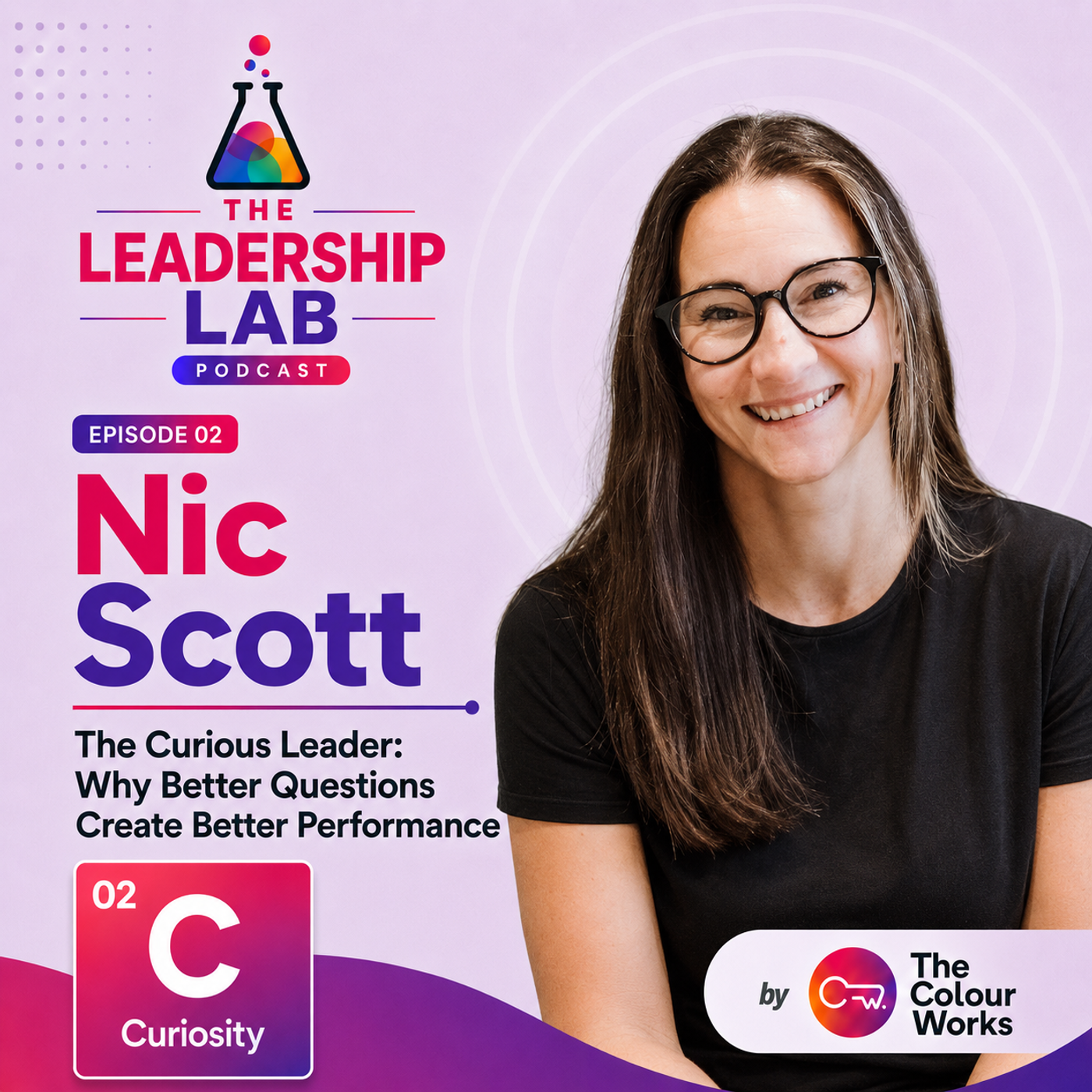
In this episode of The Leadership Lab podcast by The Colour Works, Luke Wiltshire and Lucy Pearson are joined by Nic Scott, founder of Seeds Coaching, to put her leadership hypothesis under the microscope: “The leaders who create the most value aren’t the ones with the best answers. They’re the ones who ask the best questions.” Nic shares her journey from the wine industry and multi-site leadership into learning, development and coaching.
Together, they explore how curiosity and coaching skills can help leaders build trust, create psychological safety, empower their teams and unlock better performance. The conversation examines whether every leader can learn to coach, whether everyone wants to be coached, and when employees need questions rather than clear direction. Nic also shares her perspective on AI coaching, remote leadership and why slowing down to ask one more question can ultimately save leaders time.
In today's fast-paced work environment, the ability to coach effectively is becoming a vital leadership skill. Many leaders may question whether they possess a natural talent for coaching, but the truth is that anyone can learn to be a coach with the right tools and mindset. In this post, we will explore the importance of coaching in leadership, how it can draw out unique talents, and why diversity in thought is essential for organisational success.
Why Coaching Matters in Leadership
Coaching is not merely about offering advice but about facilitating growth and drawing out an individual's potential. Many organisations create a one-size-fits-all culture where only certain types of leaders are celebrated. This can lead to a lack of diversity in thought and approach. According to Lucy, one of the speakers in a recent discussion, recognising and nurturing individual strengths through coaching can significantly improve organisational performance.
- Creating a Culture of Growth: A coaching approach encourages leaders to focus on developing their team members' unique abilities. It allows leaders to understand that diverse perspectives are crucial for problem-solving and innovation.
- Empowering Individuals: Effective coaching empowers individuals by helping them recognise their potential. When leaders utilise coaching techniques, they can foster a more inclusive environment where everyone feels valued.
The Skills Required for Effective Coaching
While some individuals may have a natural aptitude for coaching, it is a skill that can be developed. Here are some essential attributes that contribute to effective coaching:
- Empathy: Understanding others' feelings and perspectives is crucial in building trust and rapport. Empathetic leaders can create a safe space for team members to share their thoughts and challenges.
- Curiosity: A genuine desire to understand others helps leaders ask the right questions and encourages open dialogue. Curiosity drives deeper conversations that lead to meaningful insights.
- Active Listening: Listening is a critical component of coaching. It allows leaders to grasp the nuances of conversations and respond thoughtfully, demonstrating that they value their team members' contributions.
"The leaders who create the most value aren't the ones with the best answers. They're the ones who ask the best questions."
Nicola Scott
Common Mistakes in Coaching
Leaders often fall into specific traps when attempting to coach their teams:
- Prescriptive Coaching: Providing solutions without encouraging team members to explore their own ideas can stifle creativity. Instead, ask open-ended questions that prompt reflection and discussion.
- Inconsistency: Coaching should not be a one-off event. Regular check-ins and ongoing conversations help maintain momentum and reinforce the coaching relationship.
Embracing Diversity Through Coaching
Diversity in teams is not just a matter of demographics; it encompasses varied perspectives and approaches to problem-solving. During the discussion, Lucy emphasised that a diverse team is more likely to generate innovative solutions. Here’s how coaching can promote diversity:
- Encouraging Unique Perspectives: By coaching individuals to express their thoughts freely, leaders can tap into a broader range of ideas and solutions.
- Fostering Inclusion: Coaching can help create an inclusive culture where everyone feels empowered to contribute, leading to stronger team dynamics and better performance.
The Role of AI in Coaching
As technology evolves, the role of AI in coaching is becoming a topic of discussion. While AI can offer quick solutions, the human touch in coaching remains irreplaceable. Lucy and Luke discussed how AI lacks the empathy and understanding that human coaches bring to the table. Effective coaching requires emotional intelligence, which AI currently cannot replicate.
- The Human Connection: Building a connection with team members is essential for effective coaching. This connection fosters trust, making it easier for individuals to open up about their challenges and aspirations.
- AI as a Tool, Not a Replacement: AI can assist with data analysis or routine tasks, but it should complement, not replace, human coaching. Leaders should leverage AI for efficiency while maintaining the personal touch that defines effective coaching.
Lab Notes
Key Takeaways
- Coaching is a vital leadership skill that can be developed by anyone willing to learn. Empathy, curiosity, and active listening are key components of effective coaching.
- Diversity in thought is crucial for organisational success, and coaching can help draw out unique perspectives from team members.
- AI may enhance coaching processes, but the human element remains irreplaceable in fostering genuine connections and understanding.
In conclusion, coaching is not merely a function of leadership; it is an art that can be learned and mastered. By embracing a coaching mindset, leaders can unlock the potential of their teams and promote a culture of diversity and inclusion that drives performance and innovation.